IGF-1 DESs short half-life makes it ideal for: Targeted injection into desired muscle groups Minimizing risk of systemic IGF-1 overexposure (which can lead to unwanted growth in non-target tissues) How It Differs From IGF-1 LR3 The DES(1-3) form of IGF-1 demonstrates higher potency for local anabolic effects due to enhanced receptor affinity and reduced binding to IGF binding proteins. Philippou et al., Cell Communication and Signaling Clinical & Performance Use Today While IGF-1 DES remains a research peptide and is not FDA-approved for human therapeutic use, it is widely used off-label by: Bodybuilders targeting lagging muscle groups (arms, calves, chest) Strength athletes recovering from tendon and ligament injuries Physique competitors preparing for contests Anti-aging practitioners promoting collagen synthesis and joint health It is also commonly stacked with: GH secretagogues (MK-677, CJC-1295, Ipamorelin) Recovery peptides (BPC-157 for Recovery, TB500) for comprehensive muscle growth + tissue repair protocols

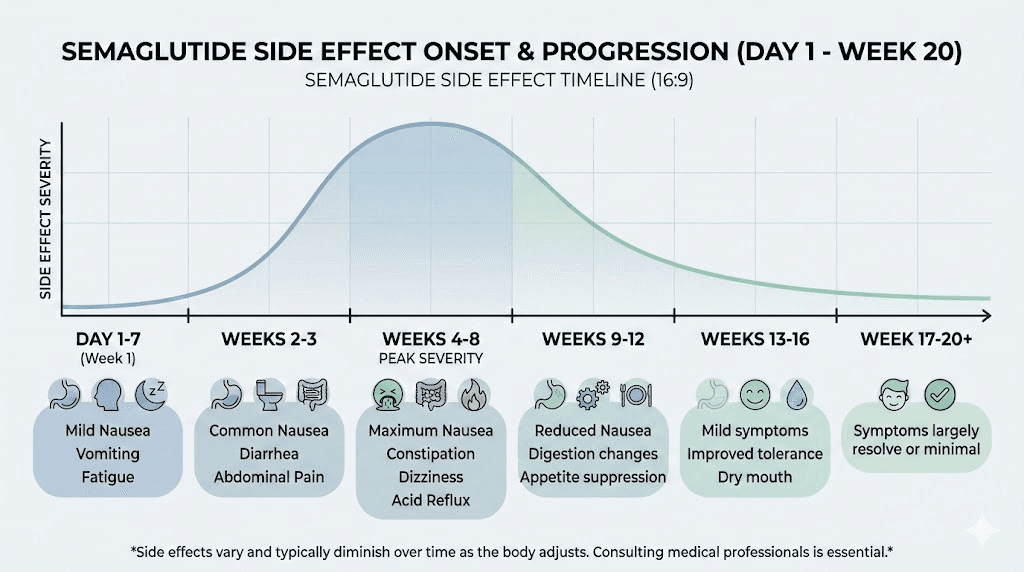
Although the absolute risk is low, it is important to monitor for symptoms such as severe abdominal pain, nausea, and vomiting
doi: 10.1016/j.jpeds.2017.08.031, PMID: [DOI] [PubMed] [Google Scholar] 60.Kochanek PM, Jackson TC, Ferguson NM, Carlson SW, Simon DW, Brockman EC, et al
Studies have shown that glutathione can reduce acne breakouts, improve skin elasticity, reduce wrinkles, and reverse sun damage