Obesity, diabetes, and associated comorbidities have emerged as a modern health crisis and a priority area of concern for health insurers
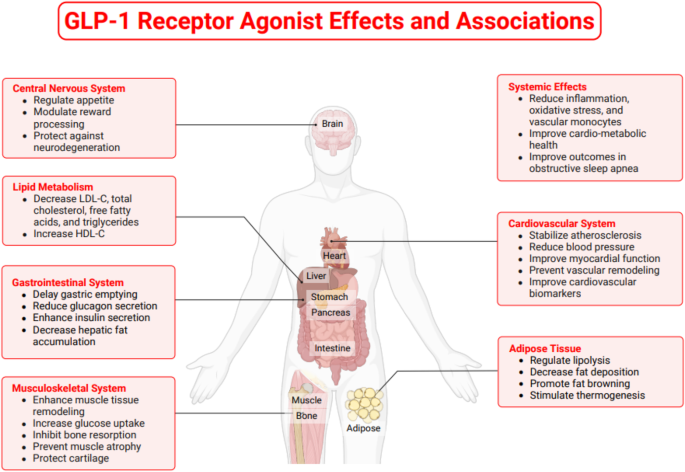
These peptides, which include glucose-dependent insulinotropic peptide (GIP) and GLP1, are responsible for the incretin effect, which explains why the stimulus for insulin release is stronger upon receiving an oral glucose load, rather than an intravenous one.40,41 Dipeptidyl peptidase 4 (DPP-4) is the protein that cleaves and inactivates GLP-1 and GIP in a few minutes,40 thus the medications that inhibit said aminopeptidase increase the circulating levels of the incretins, enabling the stimulation of glucose-dependent insulin secretion in the pancreatic islets, through membrane receptors in the cells, to persist.41 Sitagliptin, linagliptin, saxagliptin, vildagliptin, and alogliptin, among others, belong to the group of DPP-4 inhibitors (iDDP-4)
GPX2 promotes development of bladder cancer with squamous cell differentiation through the control of apoptosis
In Phase 2 trials, nausea affected 28% of patients at the 12mg dose, peaking at weeks 6-8 and substantially resolving by week 12